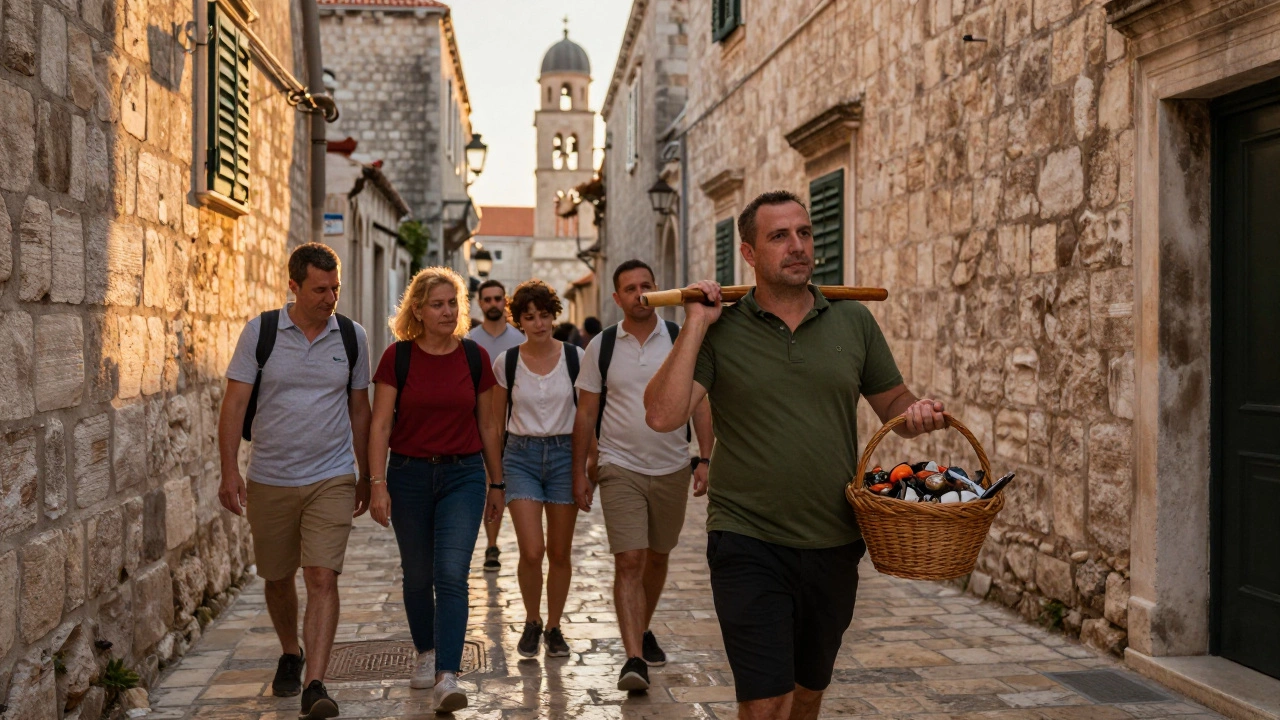
Croatia isn’t just a string of Adriatic islands and ancient walled cities-it’s a country that hums with life in its narrow cobblestone alleys, smells of fresh seafood grilling over open flames, and echoes with folk songs in hidden taverns. But if you’ve ever tried to navigate it alone, you know how easy it is to miss the real magic. That’s where a local guide changes everything. Whether you’re wandering the stone streets of Dubrovnik at sunset, sipping plavac mali wine in a family-run cellar near Hvar, or stumbling upon a secret beach only locals know about, having someone who knows the rhythm of the place turns a trip into a memory.
Some travelers look for convenience, others for connection. A few even search for something more personal-like the kind of experience you might find with euroescort dubai-a reminder that human interaction can elevate travel beyond sightseeing. In Croatia, that connection isn’t about service-it’s about shared moments. The woman who shows you where the best octopus salad is made in Split, the man who takes you off the beaten path to a 500-year-old olive grove, the friend who knows which festival is happening next weekend and how to get tickets before they sell out.
Why a Local Guide Makes All the Difference
Google Maps won’t tell you that the fish market in Rijeka opens at 6 a.m. and closes by noon, or that the best grilled sardines are sold from a cart parked behind the cathedral. It won’t warn you that the ferry to Vis runs only twice a week in October, or that the owner of that tiny restaurant in Plitvice Lakes speaks no English but will cook you a meal anyway if you smile and point. A local guide does.
They know the timing. They know the language. They know the stories behind the statues, the names of the fishermen who’ve been catching anchovies the same way for three generations, and which vineyard lets you taste their reserve wine without booking ahead. You don’t just see Croatia-you feel it.
The Food You Won’t Find in Tourist Brochures
Croatian cuisine isn’t just about pasta and pizza with a side of sea view. It’s about štrukli from Zagreb, a baked cheese dumpling that’s comfort in every bite. It’s about pršut from Dalmatia, air-dried ham so thin you can read a newspaper through it. It’s about wild asparagus in spring, truffles dug up in Istria by men with trained dogs, and homemade rakija that burns your throat and warms your soul.
Most tourists eat at the same restaurants near the harbor. Locals? They eat where the fishermen eat. A guide takes you there-not because they’re paid to, but because they want you to taste what real Croatia tastes like. You’ll sit on wooden benches, drink wine from a recycled bottle, and hear stories about how the grandmother of the chef still makes the dough by hand, using the same recipe from 1947.
Hidden Places Only Locals Know
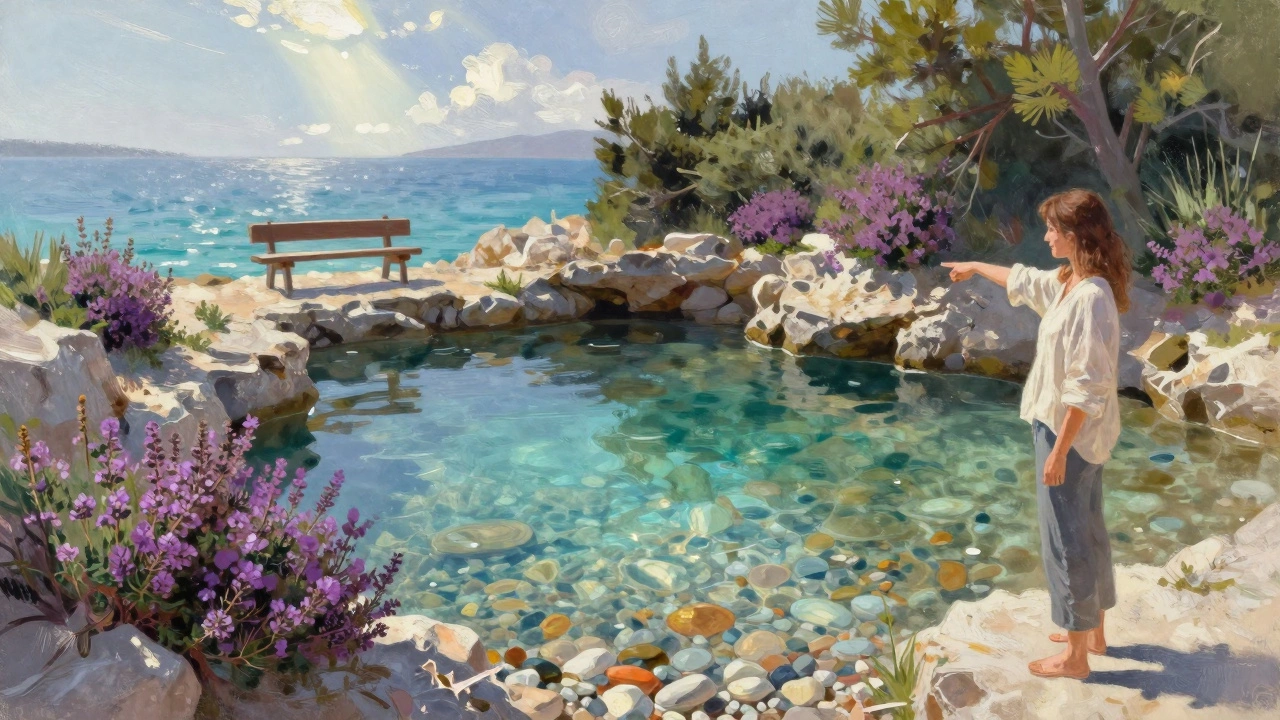
Forget the crowded beaches of Hvar. There’s a cove near Bol, accessible only by a 20-minute hike through wild thyme and juniper, where the water is so clear you can count the pebbles at the bottom. No signs. No cafes. No crowds. Just you, the sea, and the echo of a distant bell from a church on the hill.
On the island of Mljet, there’s a saltwater lake that turns emerald in the afternoon sun. Most tour buses skip it. A local guide knows the exact time the light hits the water just right-and will take you there before the clouds roll in. On the coast near Zadar, there’s a stone organ built into the sea wall that plays music when the waves hit just right. No brochure mentions it. But your guide will stand there with you, listening as the ocean hums a tune older than the city itself.
Culture That Isn’t Performed for Tourists
Croatia’s festivals aren’t staged for cameras. They’re lived. In the village of Sinj, every August, locals reenact a 1715 battle against the Ottomans-not as actors, but as descendants of those who fought. Men in traditional uniforms ride horses bareback, women sing ancient war chants, and children carry torches through the streets. No one charges admission. No one sells souvenirs. It’s just memory made real.
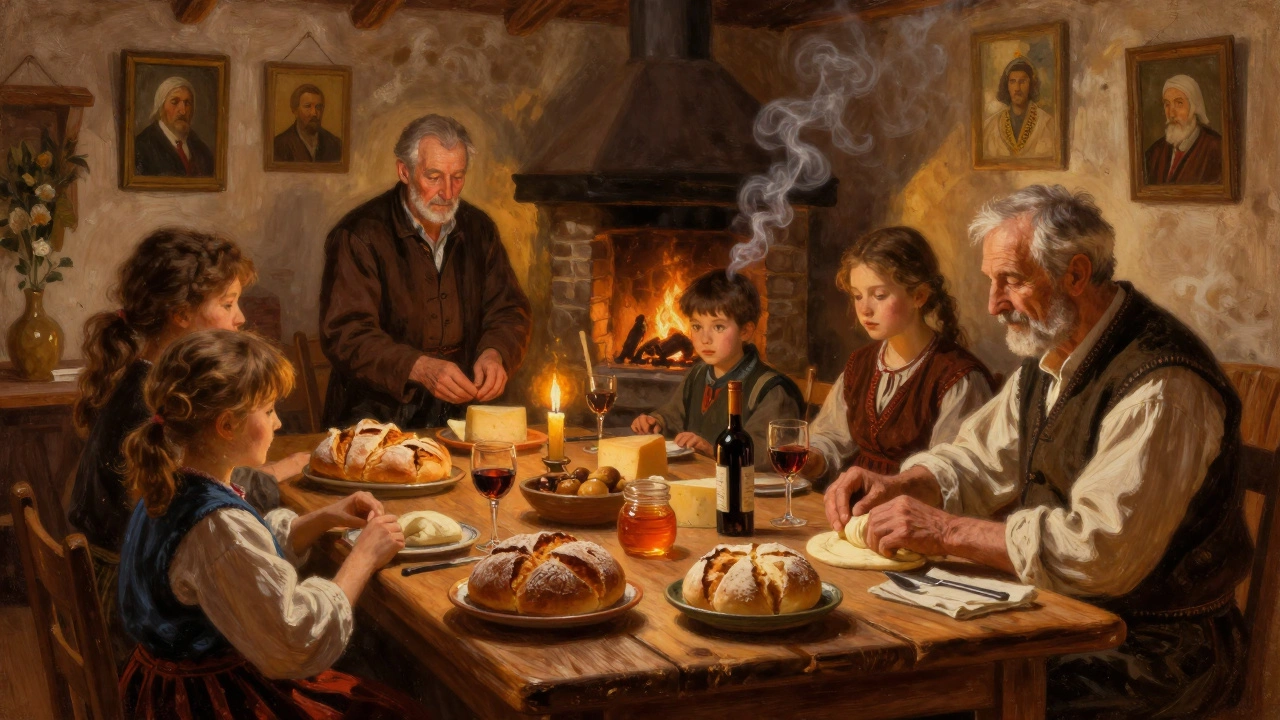
In the hills of Slavonia, families still gather for slavski kolač, a ceremonial bread baked for saint’s days. The recipe hasn’t changed in 200 years. If you’re lucky, your guide might invite you to one. You’ll sit at a long table, eat the bread with honey and cheese, and listen to stories about ancestors who survived wars, famines, and time itself.
What to Expect When You Book a Local Guide
You won’t get a clipboard-wielding tour operator in a branded polo shirt. You’ll get someone who lives here. Maybe they’re a former history teacher who now runs a small guesthouse. Maybe they’re a fisherman’s daughter who learned to navigate the Adriatic by memory before she could read. Their job isn’t to recite facts-it’s to make you feel like you belong, even if just for a day.
They’ll pick you up in their own car. They’ll know if you prefer quiet mornings or late-night dinners. They’ll notice if you’re tired and suggest a nap in the shade. They’ll remember if you loved the wine from last week and bring you a bottle from the same vineyard. This isn’t a service-it’s a friendship formed in motion.
And yes, some of these guides are women-elegant, sharp, fluent in three languages, and deeply proud of their homeland. They’re not just showing you places. They’re sharing their world. You might hear them called euro girls dubai in online forums, but here, they’re just people who love their country and want you to love it too.
When to Go-and How to Prepare
The best time to visit Croatia is late May to early June, or September. The weather is perfect, the crowds are gone, and the sea is still warm. July and August? Too packed. Too expensive. Too noisy.
Bring comfortable shoes. Pack light. Leave the guidebook at home. Bring a notebook instead. Write down names. Ask questions. Take photos of the small things-the way the light hits a church bell, the wrinkles on a fisherman’s hands, the way a child laughs while chasing a goat in a village square.
And don’t be afraid to say no. If a guide suggests something you’re not interested in, say so. Good guides listen. They adapt. They don’t push. They invite.
Final Thought: It’s Not About the Destination
Croatia isn’t a checklist. It’s not about ticking off Dubrovnik, Split, and Plitvice. It’s about the quiet moment on a boat at dusk, when the sky turns violet and the water reflects the last light like liquid gold. It’s about the stranger who hands you a slice of fresh fig and says, “Try this-it’s from my tree.”
That’s what stays with you. Not the postcards. Not the Instagram shots. The human connections. The shared silence. The unexpected kindness.
So if you’re thinking about going, don’t just book a hotel. Don’t just rent a car. Find someone who knows the heartbeat of this place. Someone who will show you not just where to go, but how to feel it. Because that’s the only way Croatia gives back.
Some people call them escort girl dubai online. Here, they’re simply the ones who made your trip unforgettable.